

Nutmeg
The spice behind our favorite fall flavors and its brutal history.

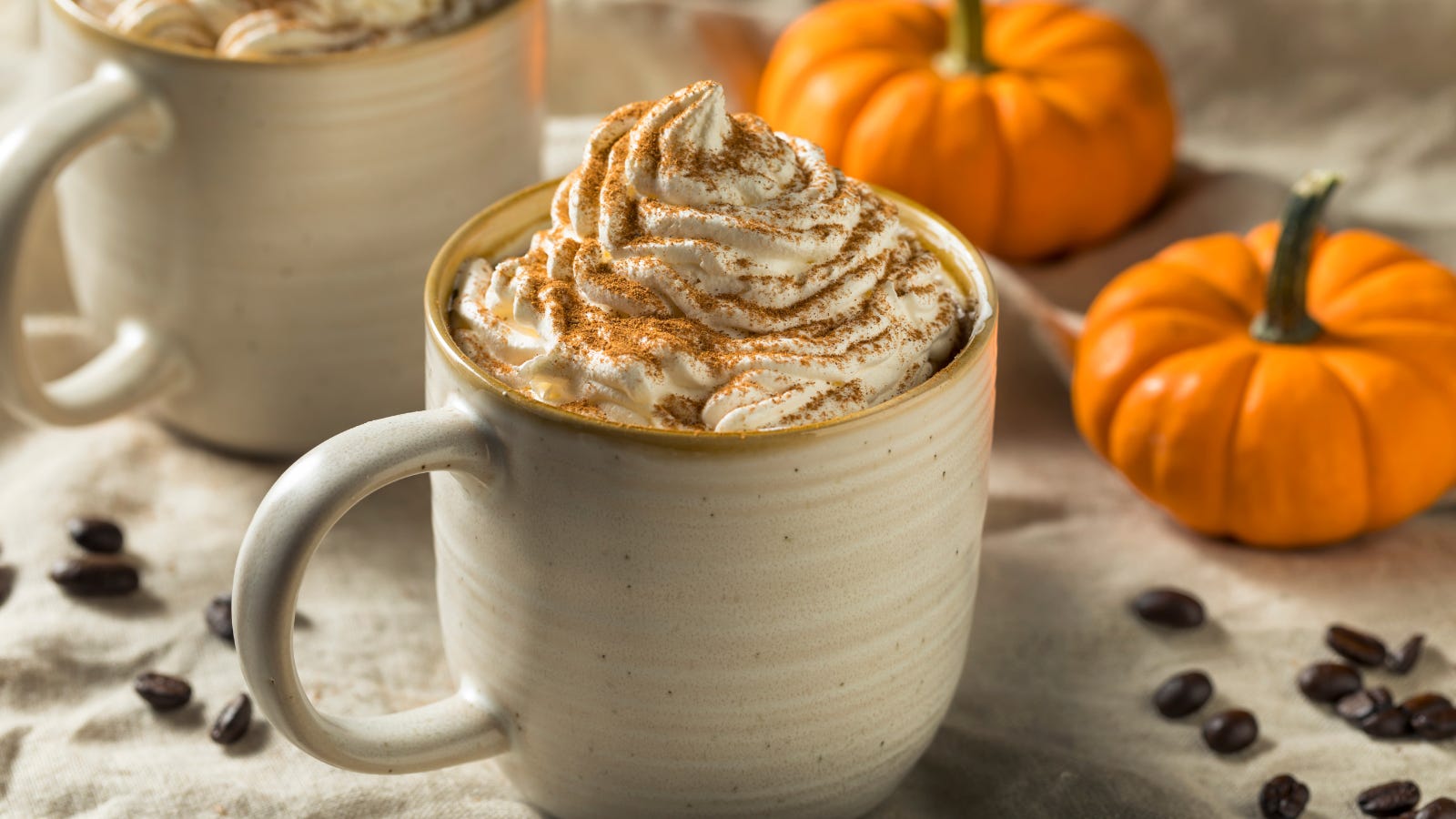
Every autumn, the pumpkin spice latte makes its return to coffee shops. The warm aroma of cinnamon, clove, and nutmeg signals the fall season as surely as crisp leaves and shorter days! We sprinkle nutmeg over pies, custards, and into frothy mugs without a second thought. But the history behind this spice is one that is anything but cozy.
A Seed, a Spice, a Fortune
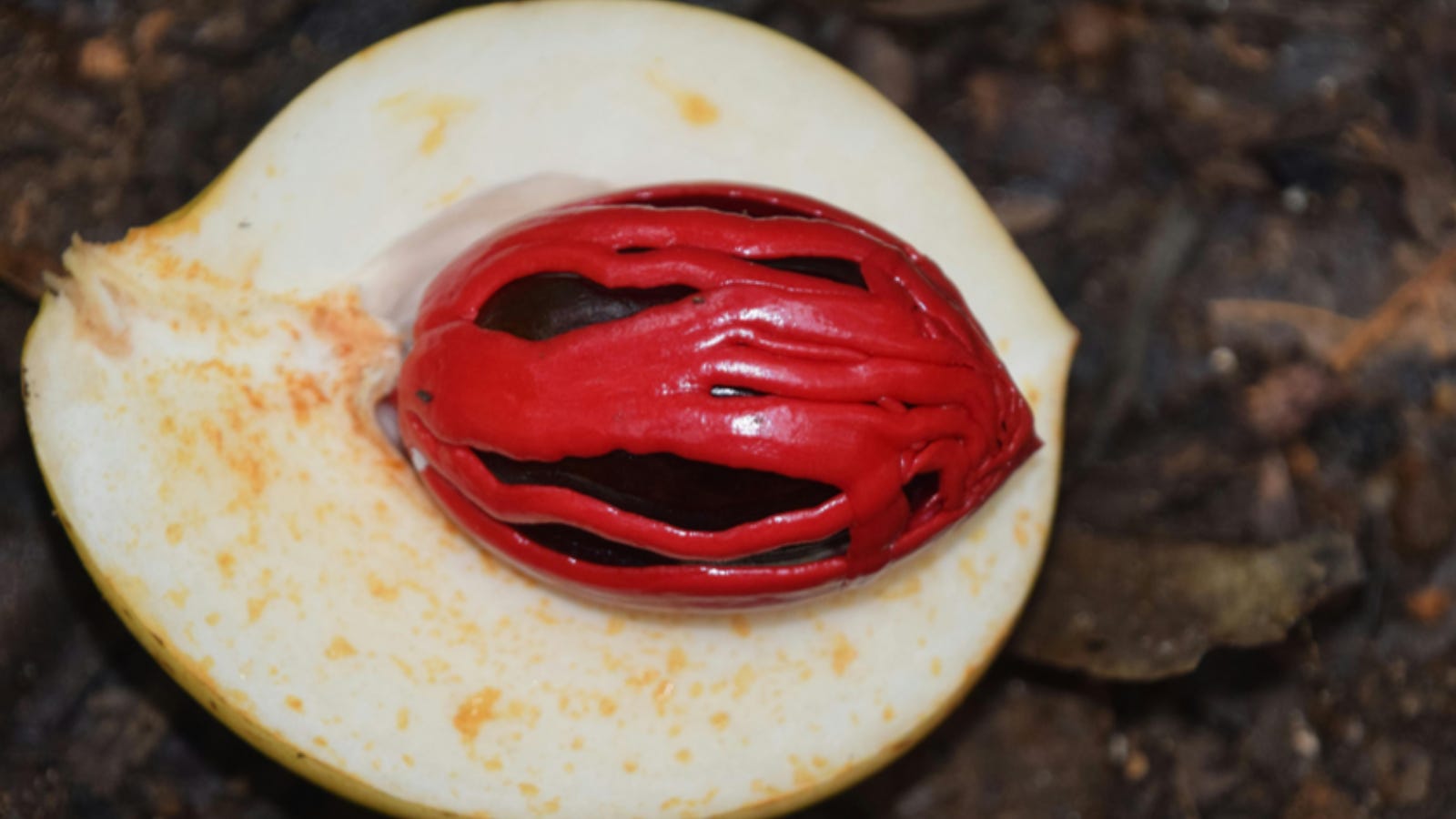
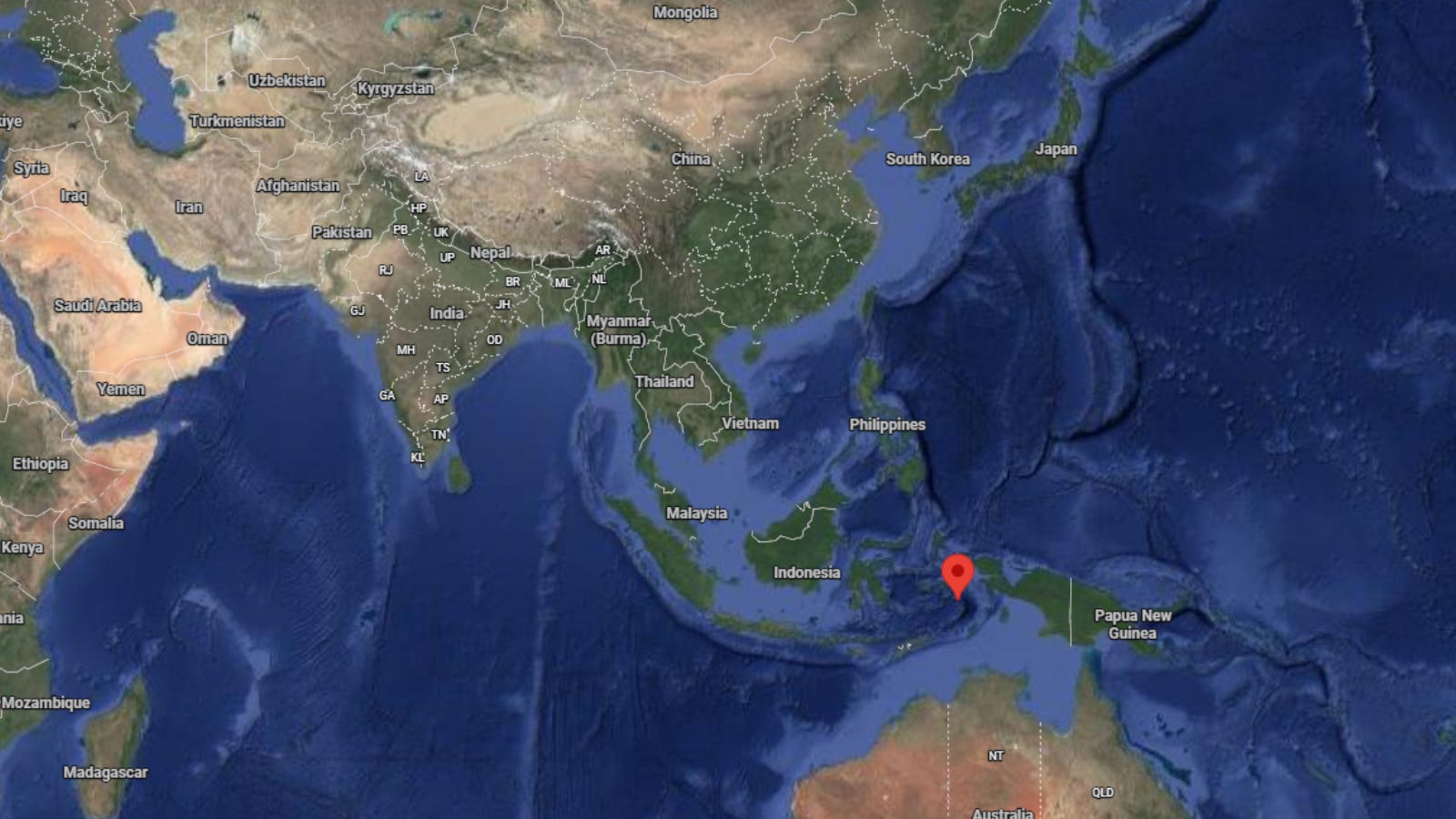
Nutmeg comes from the fruit of Myristica fragrans (of the Myristicaceae plant family), an evergreen tree native to a tiny cluster of islands in Indonesia known as the Banda Islands. Split open the yellow fruit and you’ll see a dark brown seed covered by a lacy red aril. Once dried, that seed becomes nutmeg; the aril is mace.
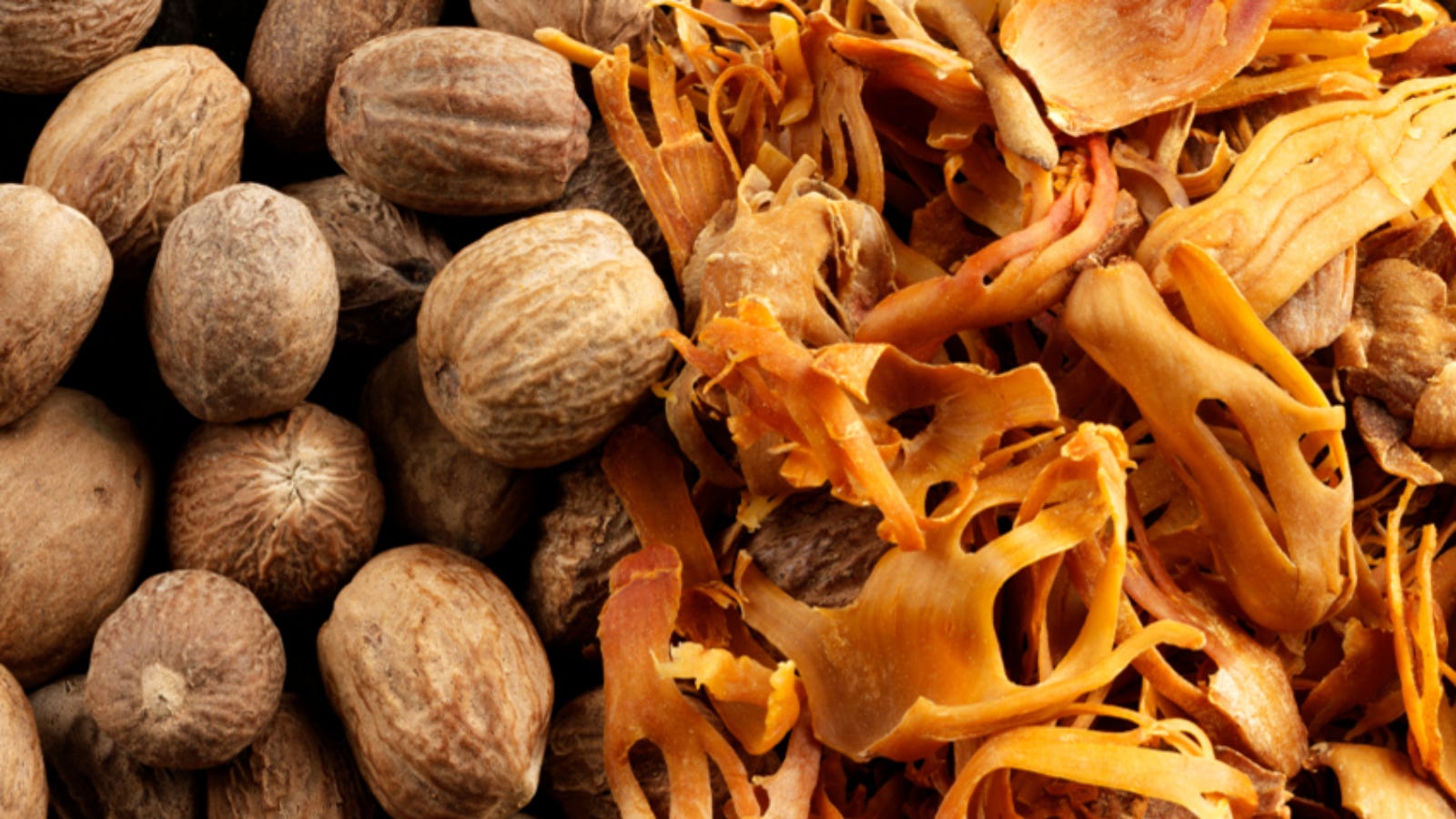
For centuries, nutmeg was only found on a tiny island chain: the Banda islands. This geographic exclusivity made it one of the most valuable commodities in the ancient and medieval world. Arab traders carried it from the Banda islands to India and onward to the Middle East by the 9th century. By the time it reached Europe, nutmeg was worth more than its weight in gold! In 1284, a pound of mace sold in England for the price of three sheep!
Travels by Marco Polo
When Marco Polo’s stories of his visit to these islands was captured in the book Travels (authored by romance writer Rustichello from the time they served in prison together) in the late 13th century, it stoked European fascination. During the Crusades, Venetian and Genoese merchants enriched themselves by importing nutmeg and other spices into Europe.
But the origins of nutmeg remained cloaked in secrecy. Arab traders guarded the location, spinning tales that the trees grew in deserts or lands filled with venomous snakes. This mystery only heightened European desire.
The Nutmeg Wars
Everything changed with the Age of Exploration. When Constantinople (modern day Istanbul) fell to the Ottomans in 1453, European powers lost their overland spice routes and turned to the sea. In 1512, Portuguese ships reached the Banda Islands, breaking centuries of monopoly. A century later, the Dutch East India Company arrived at the islands determined to take control of the nutmeg trade.
In 1621, Governor-General Jan Pieterszoon Coen arrived with 16 warships, 36 barges, and nearly 2,000 soldiers. The Dutch waged a campaign of terror, burning villages, slaughtering inhabitants, and enslaving survivors. Of the original 15,000 Bandanese, only about 1,000 remained. Their lands were seized, and nutmeg plantations established under Dutch control. Today, this Dutch conquest is also known as the Banda genocide.
The Dutch East India’s monopoly was so ruthless that nutmeg trees on nearby islands were systematically destroyed to prevent competition. But plant smuggling eventually broke the stranglehold. In the 18th century, the French and British transplanted nutmeg trees to colonies in Grenada and Zanzibar. Today, Grenada is known as the “Isle of Spice,” its national flag featuring a nutmeg.
Medicine, Folklore, and the Edge of Toxicity
Nutmeg was always more than just a flavorful spice. Across Indonesia, nutmeg oil was rubbed into the skin to relieve flu symptoms and digestive issues. In Java, mace was combined with herbs to make a calming medicine for insomnia and stress.
In Europe, nutmeg was used as a digestive aid, treatment for insomnia, and even a charm against the plague. But the spice also developed a strange reputation as a hallucinogen. In the 1960s, American prisoners experimented with nutmeg in search of a cheap high. Myristicin, one of nutmeg’s compounds, can affect the nervous system, but only at doses so high they verge on toxic (potentially deadly). The line between hallucination and poisoning is dangerously thin for this compound.
The Takeaway
Today, nutmeg is more accessible than ever and no where remotely as expensive or valuable as it once was. Instead, it is sprinkled onto foods and beverages in kitchens from New Delhi to New York without a second thought to its origins story. It flavors mulled wine, eggnog, béchamel sauces, and of course, the pumpkin spice latte. Beyond its culinary use, nutmeg’s essential oils remain part of traditional medicine and aromatherapy.
But it is worth remembering that this fragrant spice comes with a terrible legacy. The Banda Islanders paid dearly so that centuries ago, Europeans could sip spiced wine and flavor their pies. So, the next time you cradle a steaming cup of pumpkin spice latte, take a moment to reflect on this ingredient. When we look at food through this lens of history, eating becomes more than just a taste experience, but also a connection to our past.
Want to learn more? There is an excellent chapter on the history of nutmeg and other key spices in the book Plants, People, and Culture: The Science of Ethnobotany by Michael Balick and Paul Alan Cox.
Yours in health, Dr. Quave
Cassandra L. Quave, Ph.D. is a Guggenheim Fellow, CNN Champion for Change, Fellow of the National Academy of Inventors, recipient of The National Academies Award for Excellence in Science Communication, and award-winning author of The Plant Hunter. Her day job is as Professor, Herbarium Director, and Associate Dean at Emory University School of Medicine, where she leads a group of research scientists studying medicinal plants to find new life-saving drugs from nature. She hosts the Foodie Pharmacology podcast and writes the Nature’s Pharmacy newsletter to share the science behind natural medicines. To support her effort, consider a paid or founding subscription to Nature’s Pharmacy or donation to her lab research.
The Plant Hunter is available in hardcover, paperback, audio, and e-book formats!

Signed Hardcover Clearance Sale! I have a limited stash of The Plant Hunter hardcover first editions, which are no longer available in stores since the paperback release. I’m offering them at $5 off while supplies last.
Each copy can be personally signed to you, to a friend, or simply with my signature. Just note your preference when you place your order.
📦 Available for shipment via USPS media mail within the USA only.
✨ Order your signed copy here.
I'm one of the few people in the world who are highly allergic to something in coffee so I can never drink it, damn! But I do like nutmeg and I love the history behind it that you shared with us. Thank you for sharing it.
Nutmeg is also a prominent note in some of my favorites men's fragrances of the 80s. Two that quickly come to mind are Bijan Men and Cacharel pour L'Homme. There are many others.