

Cranberries
A favorite Thanksgiving treat with some fascinating health benefits!

Dear readers,
I’m writing to you this morning from my hometown in southwest Florida, where it is still surprisingly sunny and warm. The weather has been so lovely that we’re planning to hit the beach this afternoon! I’ve already stocked up on all my Thanksgiving ingredients, and I’m ready to cook my part of our big family feast tomorrow. This is one of my favorite holidays because it’s the time when I get to catch up with all of my aunts, uncles, cousins, and their kids!
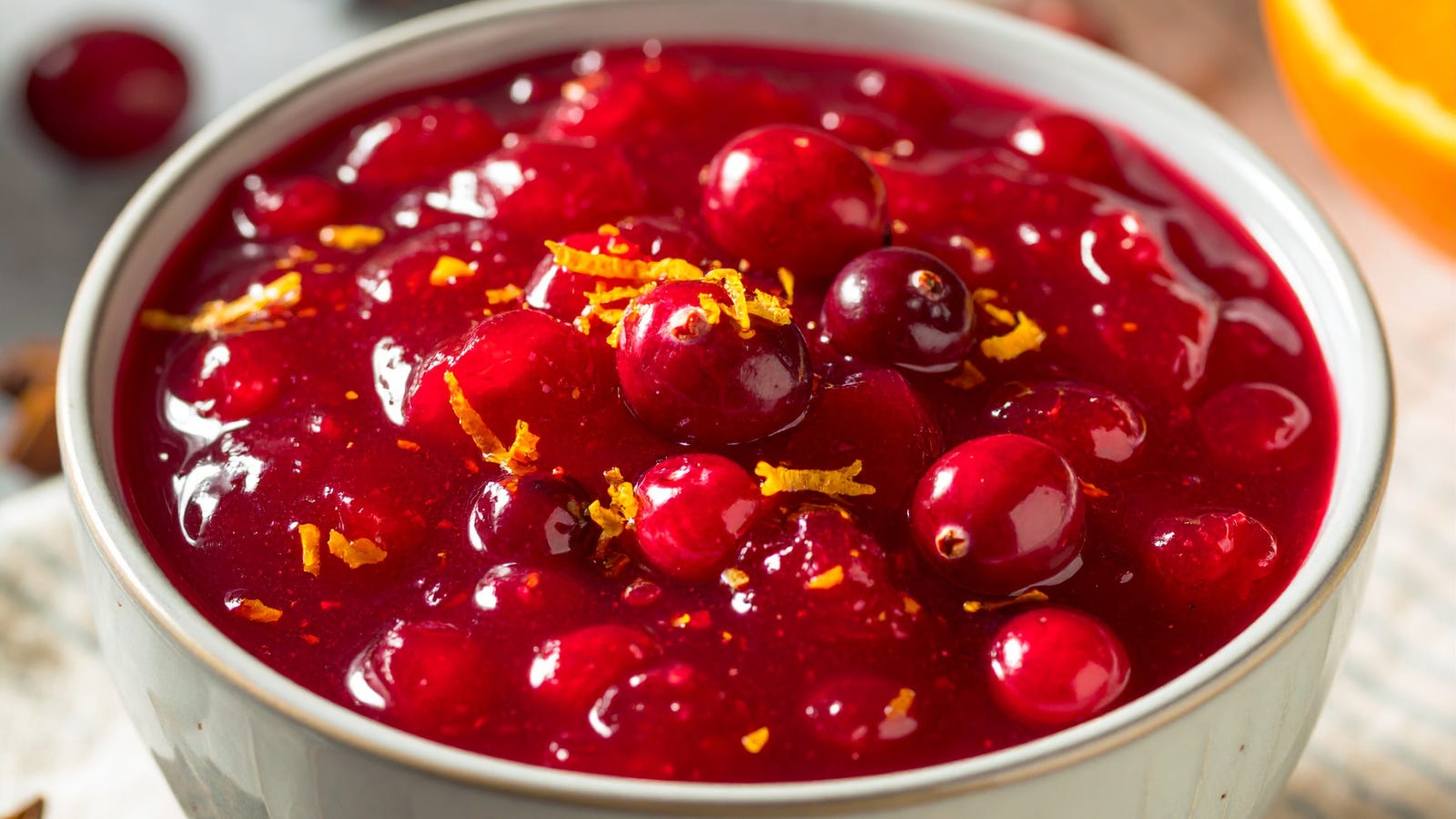
My main contribution to our Thanksgiving meal is a small item that many people overlook or settle for in canned form: the cranberry sauce! I love to make mine with fresh cranberries, thin strips of orange peel, and a couple of cinnamon sticks. Besides adding a bright, tart kick to the Thanksgiving plate, cranberries also offer impressive nutritional and health benefits! In the spirit of the season, I thought I’d share a bit of the science behind this remarkable berry with you today.
Botanical Origins
Cranberries (scientific name: Vaccinium macrocarpon Aiton, Ericaceae) originate in North America, where they grow in the bogs and wetlands of the northeast. Bees pollinate their flowers. They can be propagated by seed or through rooting cuttings from their vines. When it’s time for harvest, farmers flood cranberry fields, and because each fruit contains air pockets, the fruit floats to the top, ready to be scooped up in the harvest.
Nutritional Profile
Cranberries are surprisingly nutrient dense for such a small fruit. They are mostly composed of water, but the remaining portion of the fruit contains fiber, organic acids, simple sugars, and an array of phytochemicals that have captured scientific interest. Some of the important bioactive classes of compounds found in the fruit include proanthocyanidins, anthocyanins, flavonols, phenolic acids, and other polyphenols. Among these, most research has focused on a specific subclass of proanthocyanidins known as the A type proanthocyanidins, referred to as “PAC”.
Bioactivity of Cranberries
Cranberry PACs are of great interest because scientists have found that they can reduce the ability of certain bacteria to attach to human tissues. This type of activity is especially important in the urinary tract, where bacterial adhesion is the first step in establishing an infection. By interfering with that step, cranberry products can help reduce the risk of recurrent urinary tract infections. Notably, this does not kill bacteria in the way antibiotics do. Instead, it prevents bacteria from sticking around long enough to cause trouble.
Cranberries also contain anthocyanins, flavonols, and phenolic acids that contribute to antioxidant capacity. Researchers have shown that these compounds can help neutralize free radicals and influence inflammatory pathways. More recent studies have taken a deeper look at how cranberries influence the gut microbiome, metabolic health, and markers of inflammation. While the clinical implications are still being explored, these findings support the broader concept of cranberries as a functional food with benefits that extend beyond basic nutrition.
The Takeaway
Just as we’ve covered for other medicinal plants, the chemistry and bioactivity of cranberries is influenced based on the way they are prepared for consumption. Cranberry juice, for example, lacks the full polyphenol chemical profile found in whole berries or concentrated extracts. The overall health value is also influenced by how much sugar you add to your sauce. So, my advice as you make your holiday dish: go light on the sugar and flavor up a beautiful red cranberry sauce for your table using citrus and fall spices.
Want to learn more? Here’s a 2025 systematic review article that highlights recent research progress on cranberries, available to you via Open Access. The Cranberry Institute is another great resource for finding information on this fabulous North American fruit, including a searchable Health Research Library.
Yours in health, Dr. Quave
Cassandra L. Quave, Ph.D. is a Guggenheim Fellow, CNN Champion for Change, Fellow of the National Academy of Inventors, recipient of The National Academies Award for Excellence in Science Communication, and award-winning author of The Plant Hunter. Her day job is as Professor, Herbarium Director, and Associate Dean at Emory University School of Medicine, where she leads a group of research scientists studying medicinal plants to find new life-saving drugs from nature. She hosts the Foodie Pharmacology podcast and writes the Nature’s Pharmacy newsletter to share the science behind natural medicines. To support her effort, consider a paid or founding subscription to Nature’s Pharmacy or donation to her lab research.
The Plant Hunter is available in hardcover, paperback, audio, and e-book formats!

Signed Hardcover Clearance Sale! I have a limited stash of The Plant Hunter hardcover first editions, which are no longer available in stores since the paperback release. I’m offering them at $5 off while supplies last.
Each copy can be personally signed to you, to a friend, or simply with my signature. Just note your preference when you place your order.
📦 Available for shipment via USPS media mail within the USA only.
✨ Order your signed copy here.
I fermented mine after coarse processing along with the juice and zest of one orange per 12 oz. berries. Add one Tbsp of raw, unfiltered dark honey. Couldn't be easier. Sit in a jar for 24-48 hours on the counter, then refrigerate. It tastes AMAZING!
Rinse cranberries.
For each package of cranberries add one orange- grate the organic rind & squeeze the juice into the berries.
Cook slowly until the berries pop open.
Add honey to taste & enjoy!
Keeps for weeks refrigerated & freezes fine.
Evelyn Hill